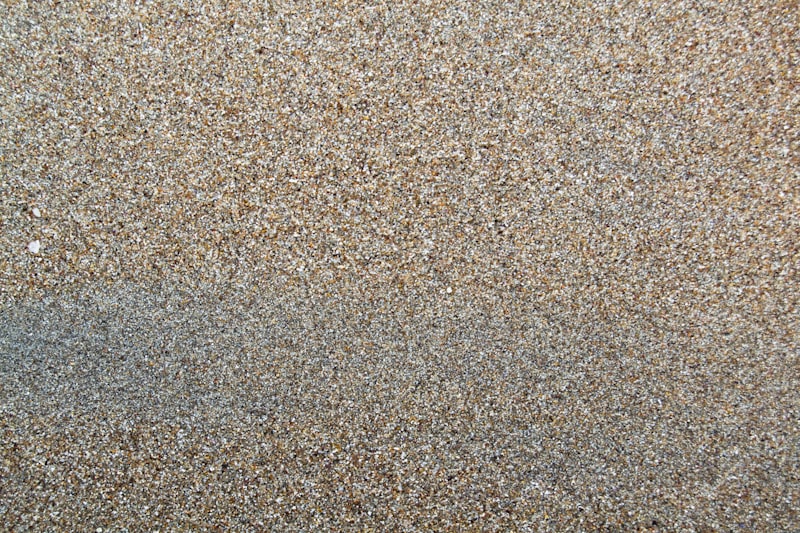
PG&E Sand (Utility Bedding)
Best for: Bedding and shading utility trenches to PG&E spec.
Type
Backfill / utility (shading) sand
Texture
Fine, screened, rock-free
Specification
Meets PG&E backfill sand
Use
Trench bedding & shading
Overview
About PG&E Sand (Utility Bedding)
PG&E sand is a clean, fine, screened sand specified for bedding and shading buried utilities — a protective cushion of rock-free material placed under, around and over gas mains, electric conduit and service lines. Its job is to eliminate any sharp stone that could dent, gouge or point-load a pipe as the trench is backfilled and compacted, and because it is well-screened and debris-free it flows evenly around the line to leave no voids. Utility contractors rely on it to meet PG&E and general backfill standards, and the same qualities make it a dependable bedding sand for water, sewer and irrigation work. When the specification calls for utility sand, this is the material that keeps inspections clean and infrastructure protected.
- ✓Fine, screened utility / backfill sand.
- ✓Beds & shades gas and electric lines.
- ✓Meets PG&E backfill sand requirements.
- ✓Smooth, rock-free bedding protects pipe & conduit.
PG&E sand is a clean, fine, screened sand specified for bedding and "shading" buried utilities. Its job is protective: a smooth, rock-free cushion under, around and over a gas main, electric conduit or service line so there are no sharp stones to dent, gouge or point-load the pipe as the trench is backfilled and compacted. Because it is well-screened and free of debris, it places evenly and flows around the pipe to eliminate voids.
Utility crews and contractors use it to meet PG&E and general utility backfill standards, but the same qualities make it a reliable pipe-bedding sand for water, sewer and irrigation lines too. It is sold by the ton; figure roughly 1.3 tons per cubic yard. When bedding pipe, surround the line fully and compact in lifts to support it without point loads.
Specifications
The details
- Type
- Backfill / utility (shading) sand
- Texture
- Fine, screened, rock-free
- Specification
- Meets PG&E backfill sand
- Use
- Trench bedding & shading
- Unit weight
- ≈ 1.3 tons / cu yd
- Sold by
- Ton
Applications
Common uses
- ✓ Gas & electric trench bedding
- ✓ Pipe & conduit shading
- ✓ Utility backfill
- ✓ Water / sewer / irrigation pipe bedding
- ✓ Cushion over buried lines
- ✓ General fine backfill
Need PG&E Sand (Utility Bedding) on site?
Priority delivery across French Camp & San Joaquin County.
Questions
PG&E Sand (Utility Bedding) — FAQ
- Why use sand around a gas or electric line?
- Sand gives a smooth, rock-free cushion so no sharp stone can dent or gouge the pipe or conduit as the trench is backfilled and compacted.
- Does this meet PG&E requirements?
- Yes — it is screened to meet PG&E backfill / shading sand requirements for bedding gas and electric lines.
- Can I use it for water and sewer pipe too?
- Absolutely. The same clean, fine, rock-free quality makes it a dependable bedding sand for water, sewer and irrigation lines.
More materials
Explore the rest of the yard
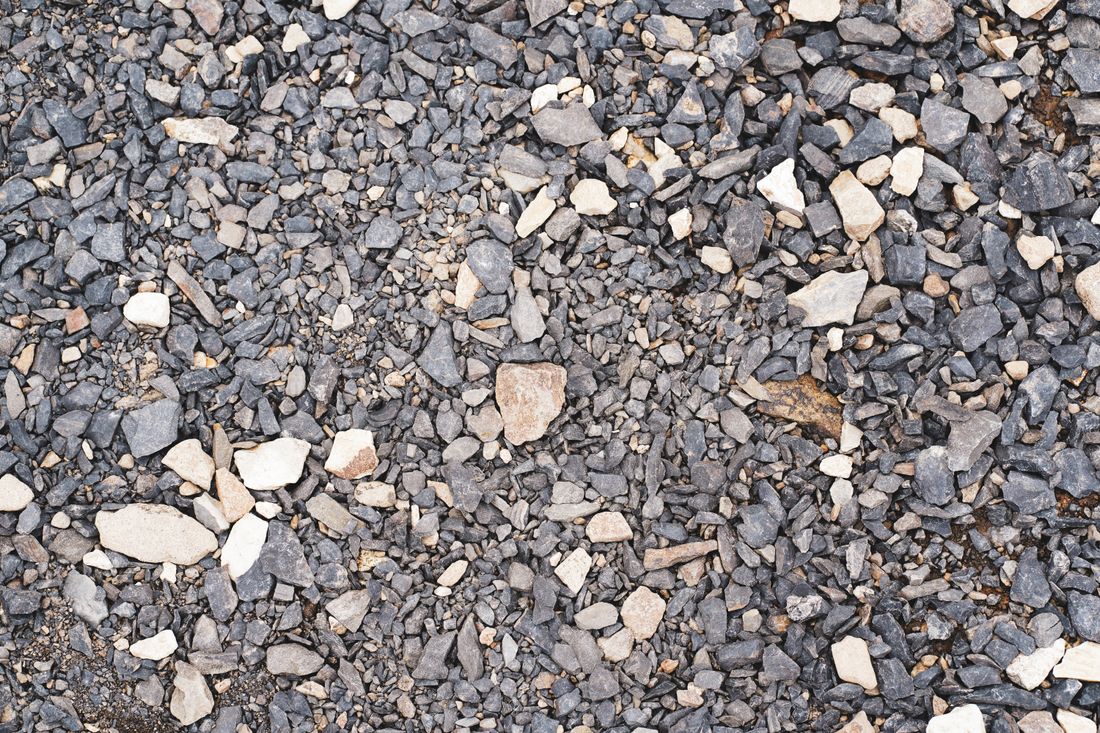 Quarry
Virgin Baserock (AB Class 2)
Virgin baserock is the structural backbone of paved construction — a quarry-fresh Class 2 aggregate base crushed from solid stone and graded continuously from three-quarter inch down to fines. Because every particle is freshly fractured and angular, the blend keys together and compacts into a dense, rigid platform that distributes traffic loads down to the subgrade without rutting, pumping or settling. It is the same material specified beneath California highways, parking structures and building pads — certified to a minimum R-value of 78 and a sand equivalent of 22 under Caltrans Standard Specifications Section 26. When your project demands a clean, certified, load-bearing foundation engineered to perform for decades, this is the base to build on.
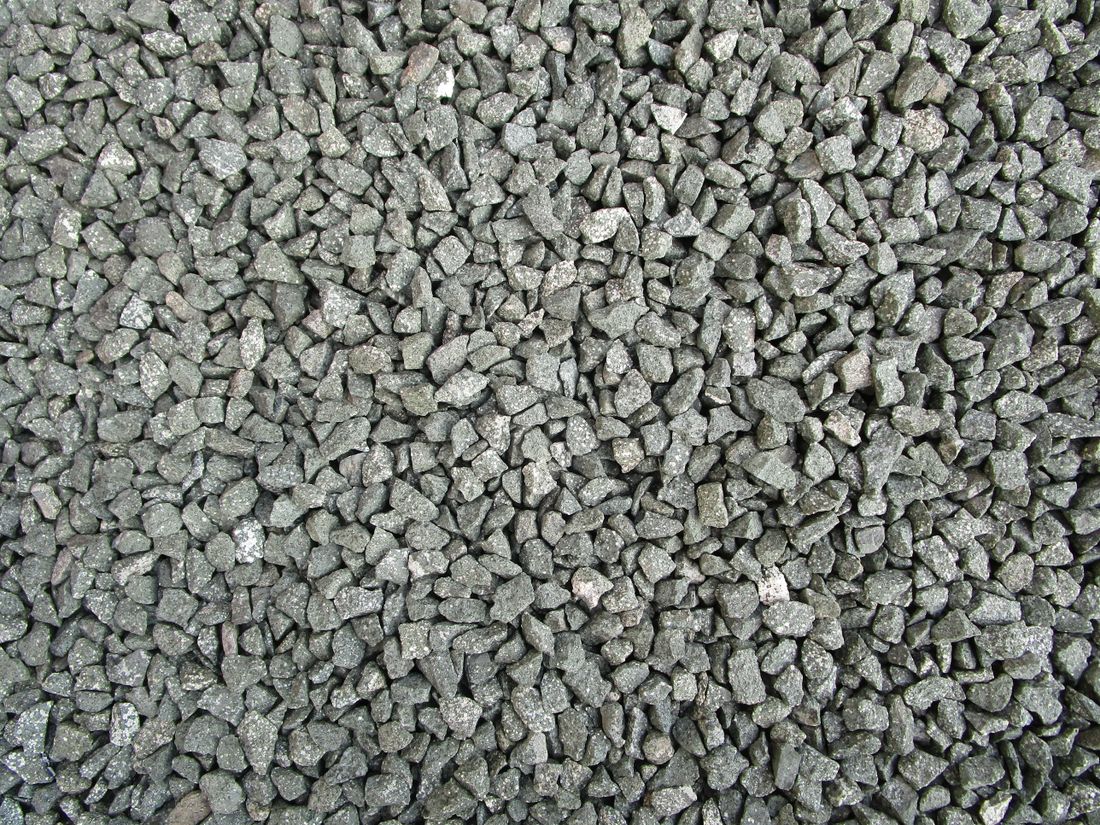 Quarry
Wash Baserock
Wash baserock delivers the structural performance of Class 2 aggregate base with a cleaner, free-draining character. It is the same crushed base material run through a wash plant to flush out excess silt and clay fines — the result is a low-dust product on the jobsite and a more permeable platform that lets water move through rather than perch on top. It still keys together and compacts under pavement and pads, but it is the smarter specification wherever drainage, cleanliness and a tidy backfill matter as much as raw stiffness. Crews choose it under permeable pavers, behind retaining walls and as pipe and utility base where washed material is preferred or required.
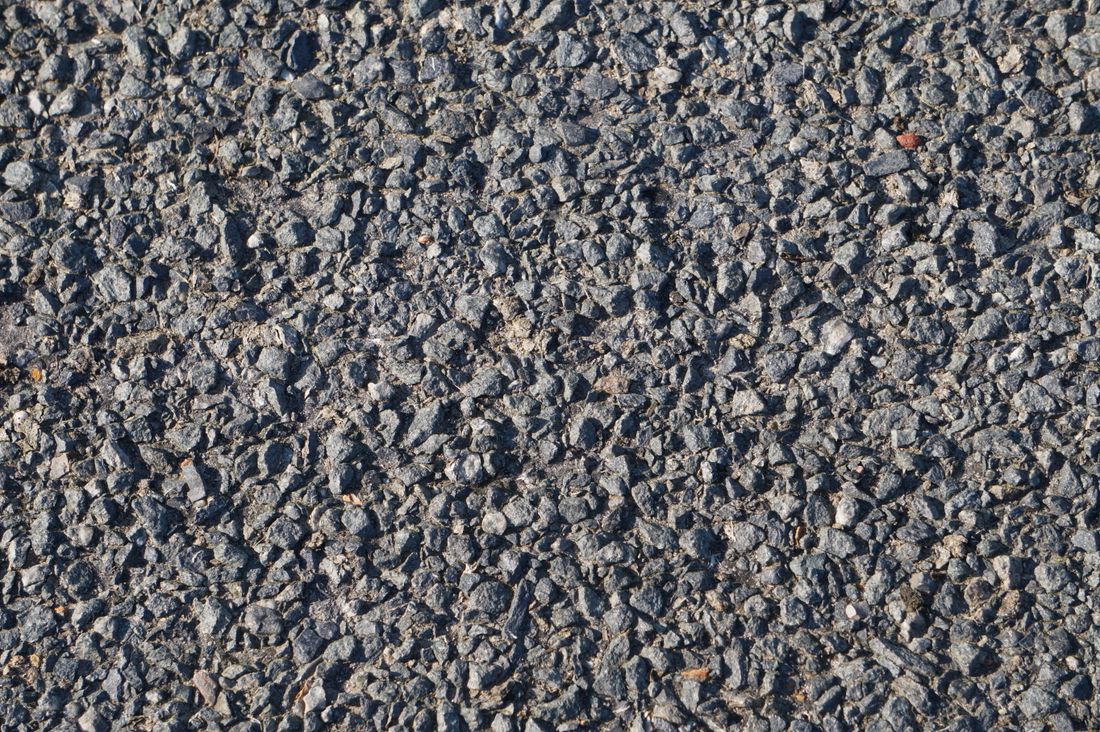 Recycled
Recycled Base (Class II)
Recycled base is reclaimed concrete and asphalt, crushed and screened back into a graded three-quarter-inch aggregate that meets Caltrans Class II strength — engineered performance at a materially lower cost. The crushing process leaves the same angular, interlocking particle shape as virgin rock, so it compacts into a hard, stable platform that carries load just like quarried base, with a mild self-cementing tendency that can stiffen it further over time. For the vast majority of driveway, lot and pad work it performs on par with new base while diverting demolition debris from the landfill — a genuine sustainability advantage that can also support green-building credits. Produced on site at our French Camp yard, supply stays steady, local and competitively priced.