Whether you are prepping a driveway, a utility trench, a parking lot, or a mile of roadway, the aggregate base under the surface does most of the quiet work. On any project ordering more than a load or two, the real question is not whether a single sample can pass. It is whether the last load matches the first.
What "Class II" actually refers to
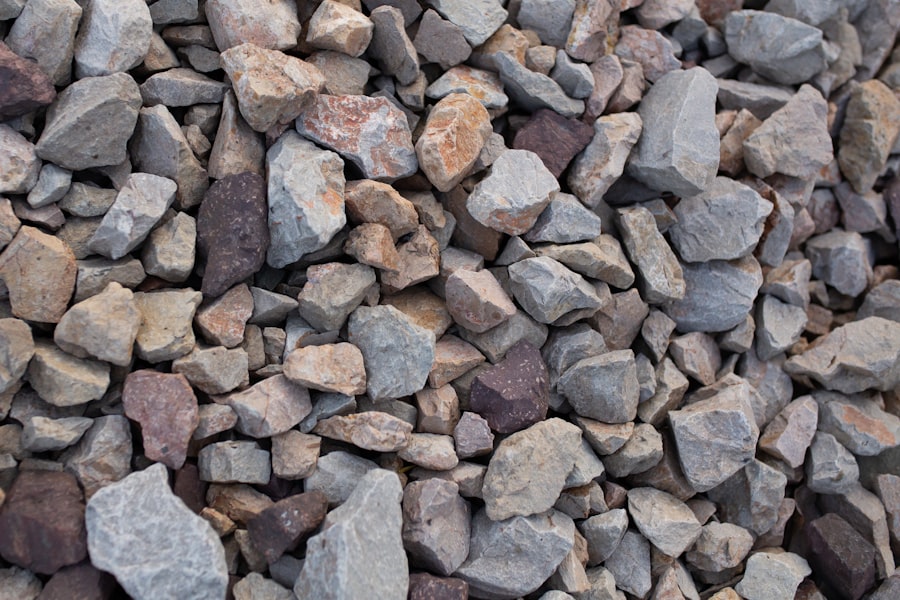
Class 2 Aggregate Base is a specification, not a single material. It covers any combination of broken stone, crushed gravel, natural rough-surfaced gravel, and sand that, once blended and compacted, meets a defined gradation and a set of quality limits. Virgin rock and recycled concrete can both qualify, as long as the finished product hits the numbers.
Gradation requirements
Gradation is the percentage of material passing each sieve size. Most base-rock and recycled-base orders run the 3/4 inch maximum column; the 1-1/2 inch column applies where a coarser grading is specified. The bands run from the 1 inch and 3/4 inch sieves at the top, through the No. 4, down to the No. 30 and No. 200 that control the fines. Staying inside every band, top to bottom, is what makes the material lock up tight and carry load.
The three quality tests
Gradation controls particle size. Three more tests control the material itself. R-value measures load-bearing resistance, so the higher the number, the more traffic the base can carry. Sand equivalent flags excess clay and silt fines, which trap water and soften the base. Durability index screens for aggregate that breaks down under handling and weather.
Crushing to the gradation, not past it
Hitting the 3/4 inch or No. 4 numbers is not just about a smaller crusher setting. Over-crushing pushes too much material into the fine end, which raises the fines and can fail the sand equivalent even when the coarse sizes look right. We set the crusher to land inside the band, not past it.
Twin-deck screening
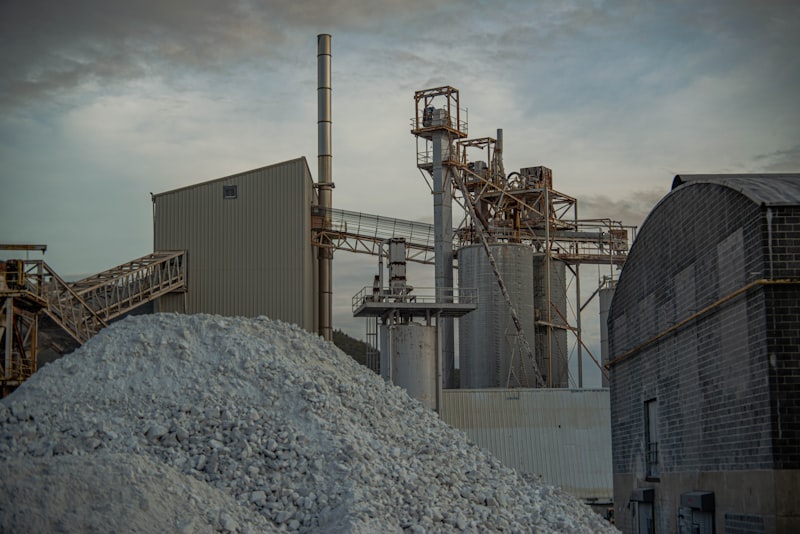
After crushing, material runs across our own twin-deck screen that splits it into oversize, mid-size, and fines in a single pass. Oversize goes back to the crusher, and the blend that comes off the screen is what gets tested and loaded. Screening separates what crushing alone cannot.
Why consistency beats any single passing result
One test report with every sieve inside the band tells you the sampled pile was in spec. It does not tell you the next load will be. The spec caps a single gradation and sand-equivalent test at 500 cubic yards, compaction typically runs to a 95 percent minimum per layer, and lifts are held to about 0.50 feet compacted before a second layer goes down. Across a large order, what protects you is not one passing sample. It is the load-to-load discipline behind it.
Batch testing, load by load
The spec sets the testing interval at no more than 500 cubic yards, or one day of production, whichever is smaller. On our yard the process repeats every run: pull a representative sample from the finished pile, wash and shake it through the full sieve stack (1 inch, 3/4 inch, No. 4, No. 30, No. 200), check sand equivalent and R-value, then compare the result against the prior test on the same stockpile. If a fraction trends toward the edge of its band, we adjust the crusher setting or the screen split before the next run, rather than letting it drift.
Need Class II base rock for your project?
Delta Rock & Sand crushes and screens every load to Class II spec at our own French Camp yard, tested load by load, with delivery across French Camp and the surrounding Central Valley. Call the yard and we will match the right base rock to your job.
Ready to price your project?
Use the Project Planner or talk to a real person at the yard.